Credit Score Do You Need for Personal Loan
Lenders consider credit scores as one of several factors when determining personal loan eligibility, interest rates, and loan amounts. While credit score requirements vary, many lenders typically set their minimum acceptable score between 550 and 660, which is commonly categorized as “fair” credit. However, some lenders may require higher scores depending on their internal policies.
Borrowers with good or excellent credit generally receive stronger approval chances and more favorable rates, but there are also lenders that accept applicants with low or poor credit scores, including those in the 500 range.
Different lenders rely on different scoring models. Many use the FICO scoring system, while others depend on VantageScore or multiple data points. These additional factors may include income, existing debt levels, repayment history, and overall financial stability.
A high credit score alone does not guarantee approval or a low interest rate. Lenders typically review the borrower’s complete credit profile to determine creditworthiness. Use the available tools to explore potential loan options based on your current credit score.
Credit Score Requirements for Personal Loans
Credit scores play a significant role in determining the type of personal loan you may qualify for. Lenders often categorize borrowers based on score ranges to assess risk and decide interest rates, loan amounts, and approval likelihood.
Use the categories below to understand where your credit score fits and what loan options may be available:
- Excellent Credit
Typically includes scores in the high 700s and above. Borrowers in this range often receive the most competitive rates and higher loan limits. - Good Credit
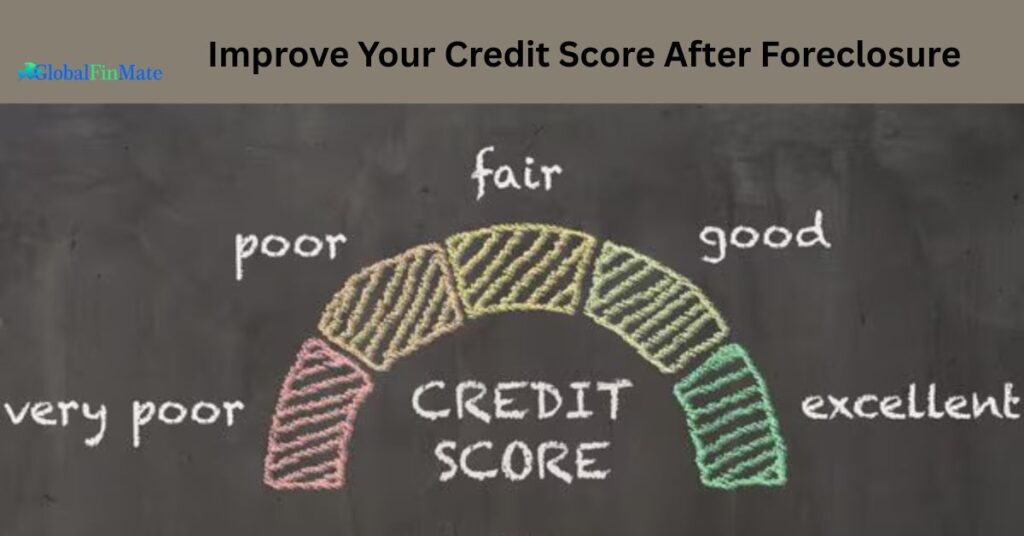
Generally includes scores from the mid-600s to the mid-700s. This range offers solid approval chances with reasonable interest rates. - Fair Credit
Usually covers scores from the mid-500s to the mid-600s. Loan options may still be available, though rates may be higher and lending criteria more selective. - Bad Credit
Refers to scores from 300 up to the high 500s. Borrowers in this range may have limited options and higher interest rates, but some lenders offer loans tailored to low-score applicants.
How Your Credit Score Impacts Your Personal Loan Offer
Your credit score influences not only your chances of qualifying for a personal loan but also the annual percentage rate (APR) you receive. Borrowers with higher credit scores are typically offered lower APRs, while those with poor credit often face higher rates.
A loan’s APR includes the interest rate plus any origination fee the lender may charge. Applicants with lower credit scores are more likely to be offered higher origination fees because lenders view them as higher-risk borrowers.
Below is a general breakdown of estimated personal loan APRs based on common credit score ranges:
| Borrower Credit Rating | Score Range | Estimated APR |
|---|---|---|
| Excellent | 720–850 | 11.81% |
| Good | 690–719 | 14.48% |
| Fair | 630–689 | 17.93% |
| Bad | 300–629 | 21.65% |
These figures are general estimates and may vary by lender. Borrowers with scores below 500 often struggle to qualify for personal loans. Some lenders also cap their maximum APRs at 36%, which may influence available offers.
A lower credit score typically leads to:
- Higher APRs, increasing the total interest paid over the loan term.
- Higher monthly payments, since more interest is added to each installment.
- Smaller approved loan amounts, as lenders may limit risk by offering less money.
Improving your credit score before applying can increase your chances of receiving better rates and larger loan offers.
Getting a Personal Loan With Fair or Bad Credit
While lenders review several factors during the loan approval process, the credit score often carries significant influence. Borrowers with fair or bad credit may still qualify for a personal loan, but the terms are typically less favorable.
Applicants in these credit ranges usually receive APR offers toward the higher end of a lender’s allowed range, which can go up to 36%. For many lenders, this is considered the upper limit for an affordable personal loan.
Borrowers with credit scores below 550 often struggle to secure a loan with an APR under 36%. When scores fall to this level, lenders tend to view the borrower as high-risk, which limits access to lower interest rates.
Improving your credit score before applying can help widen your loan options and increase the likelihood of receiving a more manageable interest rate.
How to Improve Your Chances of Getting Approved With Fair Credit
Some lenders that work with fair-credit borrowers evaluate more than just a credit score when reviewing a loan application. For example, credit unions may factor in membership history, account activity, and other financial details to make a decision.
Applicants can also strengthen their loan profile by adding a co-signer, co-borrower, or collateral, depending on what the lender allows. These additions may improve approval odds or help secure a lower interest rate.
However, each option comes with important risks:
- Co-signer or co-borrower: If the primary borrower fails to make payments, the co-signer or co-borrower becomes fully responsible for the loan.
- Collateral on a secured loan: If payments stop, the lender can take the asset used to secure the loan.
Before applying, borrowers should review the requirements and potential consequences to determine the safest and most suitable option.
Tips to Build Your Credit
If you have time to improve your credit before applying for a personal loan, even a few months of effort can increase your chances of qualifying at a better rate. A stronger score can lead to lower interest costs, especially on loans with longer repayment terms.
1. Make Payments on Time
Payment history is one of the biggest factors in your credit score. Missing a credit card or loan payment by more than 30 days can significantly reduce your score. Setting up automatic payments or due-date reminders can help you avoid late payments. If a due date is inconvenient, you can request a change from your creditor.
2. Dispute Credit Report Errors
Check your credit reports from Equifax, Experian, and TransUnion to ensure all information is accurate. Errors such as incorrect balances or unfamiliar accounts can hurt your score. Dispute inaccuracies online, by mail, or by phone. Free weekly credit reports are available through AnnualCreditReport.com.
3. Lower Your Credit Utilization
Credit utilization refers to the percentage of your available revolving credit that you’re using. Keeping this ratio below 30% is ideal. If your utilization is high, consider paying down balances or requesting a credit limit increase to help lower the percentage.
4. Become an Authorized User
If someone with a strong credit history adds you as an authorized user on their credit card, their positive payment behavior and low credit utilization can help boost your score. You are not responsible for the balance and do not need to use the card to benefit.
5. Use a Credit-Builder Loan or Secured Credit Card
Credit-builder loans and secured credit cards require an upfront payment—either a deposit or installment payments—before borrowing. Because the lender’s risk is lower, these products are typically easier to qualify for. Making on-time payments helps build positive credit history over time.
Requirements for Personal Loan Beyond Your Credit Score
Meeting the minimum credit score for a personal loan does not guarantee approval. Lenders review several additional factors to assess whether you can manage the loan responsibly. Below are the key elements most lenders evaluate during the application process:
1. Credit History
A longer and well-managed credit history can strengthen your application. Some lenders may require at least two to three years of credit activity, though having more established accounts is generally better. A history that includes credit cards, installment loans, or a mortgage—with consistent, on-time payments—shows reliability and may increase your chances of approval.
2. Income
Lenders typically request documents such as pay stubs, bank statements, or tax returns to verify stable income. This helps them determine whether you can handle loan payments. While some lenders set specific income thresholds, others simply need to confirm that your earnings are sufficient for the loan amount requested.
3. Debt-to-Income Ratio (DTI)
The debt-to-income ratio measures how much of your monthly income goes toward existing debts. Lenders use this ratio to evaluate whether taking on another loan would strain your finances. Lower DTI ratios generally signal better financial health and may improve approval odds.
4. Free Cash Flow
Since DTI does not include everyday expenses such as utilities, groceries, transportation, or rent, some lenders analyze bank account activity to determine how much money you have left after covering regular expenses. This leftover amount, known as free cash flow, helps lenders assess your ability to afford new loan payments. More free cash flow often makes an application more favorable.
Alternatives to Personal Loans
If you don’t meet the credit score requirements for a personal loan, there are other ways to access funds. These options may be easier to qualify for, though each comes with its own considerations.
1. Buy Now, Pay Later Plans
Many retailers offer installment options that divide purchases into smaller, often interest-free payments. Approval usually involves only a soft credit check, making these plans accessible even for borrowers with lower credit scores.
2. Cash Advance Services
Some financial apps provide small cash advances based primarily on your income rather than your credit score. These advances work like early access to your paycheck, though fees may apply depending on the service.
3. Family or Peer Loans
Borrowing from family or friends does not require a credit check and may come with flexible or interest-free repayment terms. To avoid misunderstandings, it’s best to create a written agreement outlining repayment deadlines and expectations.
4. Local Assistance Programs
Community organizations, nonprofits, and religious groups often run programs that help with essential expenses such as food, transportation, rent, utilities, or emergency needs. Local resource directories or community helplines can guide you to available support in your area.
About The Author