
Insurance in India – Complete Guide to Types, Plans & Coverage
Insurance in India is one of the most misunderstood financial products in the Indian market. While a massive portion of the population understands the baseline concept of insurance, a dangerously low percentage of families hold adequate coverage. Many treat insurance as an forced annual tax-saving chore rather than what it truly is: the bedrock of a secure financial plan.
Whether it is insulating your hard-earned savings from predatory medical inflation, safeguarding your family’s lifestyle if you are no longer around, or protecting depreciating assets like vehicles, insurance buys structural peace of mind.
In this definitive guide, we will break down the Indian insurance ecosystem in 2026, evaluate different policy types, identify hidden clauses, and map out exactly how to choose optimal coverage.
What is Insurance and How Does It Work?
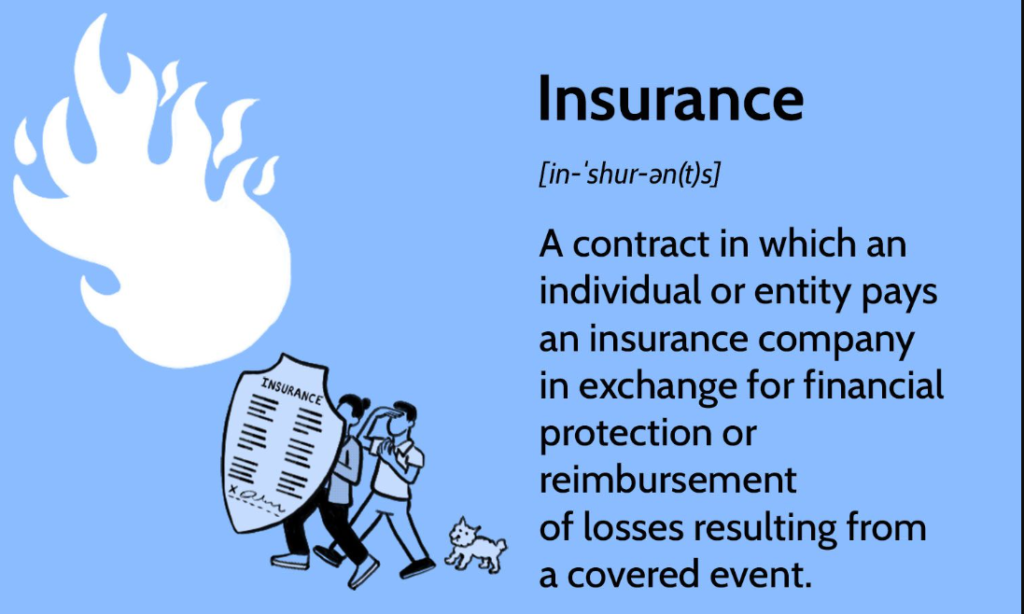
At its core, insurance is a legally binding financial contract between you (the policyholder) and an insurance provider. Under this contract, you agree to make regular, predictable payments called premiums. In return, the insurance company assumes your financial risk, guaranteeing a compensatory payout—known as a claim or benefit—if a specific insured event takes place.
The Foundation: Risk Transfer
The operational mechanic driving this industry is simple risk transfer. Instead of independently carrying the catastrophic risk of a ₹10 Lakh hospital bill or a major asset loss, you offload that risk to a heavily capitalized corporate pool in exchange for a relatively nominal fee.
Real-World Impact Example: Consider pure Term Life Insurance. A 30-year-old non-smoking breadwinner might pay roughly ₹400 to ₹600 per month for a ₹1 Crore policy cover. If an untimely event occurs, the insurer disburses that ₹1 Crore directly to the dependent family, instantly neutralizing mortgage debts and protecting future living costs.
Types of Insurance in India: A Comparative View
The modern Indian insurance landscape is broadly split between protecting your life and protecting your assets. The table below breaks down the six primary insurance variants available to Indian consumers in 2026:
| Policy Variant | Core Target Coverage Area | Who Absolutely Needs It? | Baseline Market Premium Cost |
| 1. Pure Life Cover | Direct financial compensation upon death of the insured. | Anyone with active financial dependents or outstanding liabilities. | ₹300 – ₹1,200 / Month (For ₹1 Crore Cover) |
| 2. Health Cover | Medical hospitalization, pre/post care, and advanced surgeries. | Every individual and family looking to insulate personal wealth. | ₹6,000 – ₹15,000 / Year (For a Family Floater) |
| 3. Motor Cover | Third-party legal liabilities and personal vehicular damages. | Every vehicle owner (Third-Party cover is legally statutory). | ₹3,000 – ₹12,000 / Year (Dependent on Vehicle IDV) |
| 4. Critical Illness | Lump-sum cash payouts immediately upon major diagnosis. | Corporate working professionals and high-stress individuals. | ₹1,500 – ₹4,500 / Year (Fixed Benefit Payout) |
| 5. Home Cover | Structural damage repair and valuable internal asset replacement. | Individual homeowners and property investors. | ₹2,500 – ₹7,000 / Year (Based on Build Quality) |
| 6. Travel Cover | Overseas emergency medical care, lost baggage, and cancellations. | International vacationers and business travelers. | ₹600 – ₹2,500 / Per Designated Trip |
Life Insurance Types Explained
Not all life insurance policies are created equal. Buying the wrong variant is one of the costliest mistakes an Indian consumer can make, often resulting in low protection yields and locked-up funds.
1. Term Insurance (The Gold Standard)
Term insurance is pure, unadulterated financial protection. It carries zero investment elements, which allows providers to offer massive coverage amounts for incredibly low premium costs. If you survive the designated term window, there is no maturity benefit return; however, your family remains completely protected during your peak income-generating years.
- Best Suited For: Young couples, mortgage holders, and primary breadwinners.
2. Whole Life Insurance
This structure extends coverage through your entire lifetime, typically up to age 100. Because a payout is effectively guaranteed down the line, the premium costs are significantly higher than pure term plans. It frequently blends a baseline cash value savings element that accumulates over multiple decades.
- Best Suited For: Individuals focused on creating estate wealth for generational transfer.
3. Endowment Plans
Endowment plans are traditional hybrid products that stitch life insurance together with a conservative savings vehicle. You pay fixed premiums for a set period, and if you survive the tenure, the company pays out a guaranteed maturity benefit alongside accrued bonuses. The critical downside is that the investment returns rarely beat inflation, and the total life cover is often completely inadequate.
- Best Suited For: Highly risk-averse individuals looking for forced traditional savings paths.
4. ULIPs (Unit Linked Insurance Plans)
ULIPs split your premium payment directly down two tracks: one small portion purchases basic life coverage, while the remaining balance is actively invested in equity or debt market funds of your choosing. They offer variable market-linked returns and tax efficiencies under current guidelines, but they feature complex lock-in periods and charge management fees.
- Best Suited For: Long-term investors who want an insurance-cum-investment vehicle and are comfortable with market volatility.
Health Insurance Plans Decoded
With private healthcare inflation in India climbing rapidly year-over-year, relying solely on your own corporate workplace health cover is a major financial risk.
                  ┌──────────────────────────────┐
                  │  Indian Health Insurance     │
                  └──────────────┬───────────────┘
                                 │
         ┌───────────────────────┼───────────────────────┐
         ▼                       ▼                       ▼
┌─────────────────┐     ┌─────────────────┐     ┌─────────────────┐
│ Individual Plan │     │ Family Floater  │     │ Senior Citizen  │
│ Single person   │     │ Shared pool for │     │ Specialized for │
│ coverage.       │     │ entire household│     │ ages 60+.       │
└─────────────────┘     └─────────────────┘     └─────────────────┘
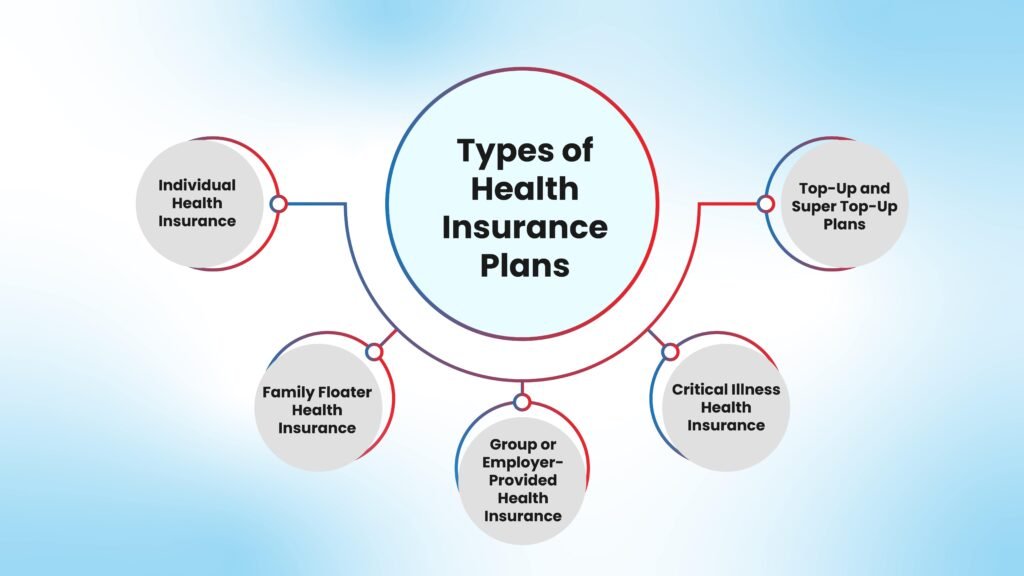
- Individual Health Policies: Designed explicitly to safeguard a single person. The premium matrix scales dynamically based purely on that specific individual’s age, medical history, and pre-existing conditions.
- Family Floater Configurations: The most economical health asset for households. It binds your entire family (typically self, spouse, and up to 3 children) under a single shared pool of insurance coverage. It is highly cost-effective because it assumes the probability of every family member requiring major hospitalization simultaneously is incredibly low.
- Senior Citizen Care Portfolios: Tailored exclusively for individuals aged 60 and above. These plans feature distinct premium structures, specialized underwriting rules for advanced pre-existing conditions, and often incorporate co-payment terms where the policyholder agrees to pay a small percentage of the final bill out of pocket.
Step-by-Step Insurance Claims Process
When an emergency strikes, you need to know exactly how to execute a claim. The standard operational workflow across Indian insurance companies involves five clear stages:
Step 1: Immediate Insurer Notification: Alert your provider’s customer care desk or third-party administrator (TPA) within 24 to 48 hours of an incident. Provide the baseline policy number, hospital admission details, or relevant incident tracking metrics.
Step 2: Documentation Consolidation: Gather and submit all primary proofs within the specified timeline. For health claims, this includes original discharge summaries, itemized hospital bills, pharmacy invoices, and diagnostic test results. For life claims, you will need death certificates, identity verifications, and medical reports.
Step 3: Verification Auditing: The internal TPA or dedicated claims assessment desk validates the incoming files against policy exclusions. They may initiate a routine field investigation or request supplementary doctor certifications if clarity is needed.
Step 4: Claim Underwriting Assessment: The verified paperwork is formally audited to calculate eligible expenses. Deductibles, room-rent capping thresholds, and co-pay variables are applied to find the exact net payable settlement amount.
Step 5: Fund Disbursal Execution: Once approved, the funds are routed via electronic transfer directly to your verified bank account (or paid directly to the network hospital if utilizing a cashless facility), successfully settling the case file.
Expected Operational Turnaround: Cashless hospital claims are often processed at the desk within a matter of hours. Reimbursements and standard claims usually wrap up within 7 to 15 business days, provided your initial documentation is perfectly transparent.
Key Core Factors Influencing Your Premium Costs
Understanding how insurers price your policies can save you thousands over the lifetime of your coverage.
Life Cover Drivers
- The Age Bracket: Your age is the ultimate pricing driver. Securing a term plan at age 25 can lock in low rates for life, whereas waiting until age 40 can cause your ongoing monthly premium costs to jump 3x to 4x for the exact same coverage level.
- Medical Diagnostics & Tobacco Habits: Standard smokers face a heavy health premium risk adjustment, which frequently doubles their baseline premium cost compared to non-smoking applicants.
- The Coverage Scale: The larger the sum assured or the longer the active policy horizon, the higher the risk concentration, which gradually increases your annual cost.
Health Cover Drivers
- Pre-Existing Medical Footprints: Medical conditions like diabetes, hypertension, or legacy surgical paths prompt insurers to apply premium additions (loadings) or mandate distinct waiting windows before coverage activates.
- The Base Sum Insured: Moving your household safety net from a basic ₹5 Lakh pool up to a robust ₹20 Lakh protection layout incrementally lifts your premium, though the per-Lakh cost drops considerably at higher coverage limits.
Strategic Guide to Selecting Optimal Coverage
For Life Insurance Planning
Step 1: Quantify True Coverage Needs: Avoid arbitrary math. Use the Income Replacement Rule: Take your current annual expenditure and multiply it by 20. Next, add your total outstanding debt obligations (like home or car loans) and add your children’s future education goals. This total represents your ideal sum assured.
Step 2: Choose the Pure Track: Prioritize high-value term cover over complex insurance-cum-investment schemes. Keep your investment strategies separate from your core protection strategies.
Step 3: Audit Settlement Metrics: Look past marketing pitches. Visit the official IRDAI portal and cross-check the Claim Settlement Ratio (CSR) alongside the Volume of Complaints for the insurers you are considering. Aim for providers holding a stable CSR above 98%.
For Health Insurance Planning
- Step 1: Evaluate Local Network Hospital Mapping: Verify that the prominent tertiary and emergency hospitals in your immediate city are actively listed as “Cashless Network Partners” with the specific insurance company you choose.
- Step 2: Scan for Room Rent Capping Flags: Avoid plans that place a restrictive 1% or 2% cap on daily room rent room allocations. Selecting a policy with “No Room Rent Capping” protects you from unexpected out-of-pocket bills during a hospital stay.
- Step 3: Read the Waiting Period Fine Print: Standard medical insurance policies impose a 2 to 4-year waiting period before covering pre-existing conditions. Always choose plans that offer the shortest waiting windows for your specific health background.
6 Critical Insurance Pitfalls to Avoid
- Mistake 1: Severe Under-Insurance: Selecting an arbitrary ₹5 Lakh life cover or a tiny health plan just to minimize premium expenses leaves your family highly vulnerable during a major financial crisis.
- Mistake 2: Material Fact Non-Disclosure: Concealing smoking habits or history of chronic illness to secure a cheaper rate is the number one reason claims get rejected. Always disclose your health history fully and truthfully.
- Mistake 3: Relying Solely on Employer Corporate Cover: Corporate health cover ends the moment you switch jobs, face layoffs, or retire. Holding an independent, personal health backup policy ensures your family is always protected.
- Mistake 4: Missing the Free-Look Window: Every formal policy comes with a 15 to 30-day Free-Look Period. If you open the policy document and find unexpected terms or hidden exclusions, you can cancel it within this window for a full premium refund.
- Mistake 5: Treating Insurance as a High-Yield Investment: Conflating pure risk protection with wealth generation often leads to high premiums, low investment returns, and inadequate coverage.
- Mistake 6: Neglecting Annual Policy Reviews: As major life milestones occur—like marriage, welcoming a newborn, or taking on a major home loan—your financial risk exposure shifts. Make a habit of reviewing and upgrading your coverage levels every few years to keep pace with your changing life.
Insurance FAQs
Is insurance mandatory in India?
Under the Motor Vehicles Act, holding active Third-Party Liability Insurance is an absolute legal mandate for all vehicles operating on public roads. Life, health, and home policies remain completely voluntary but are foundational to long-term financial stability.
Can I secure health insurance if I already have chronic pre-existing conditions?
Yes. Indian insurers provide coverage options for individuals with pre-existing conditions. However, the plan will typically involve a structured waiting period (often 24 to 48 months) before you can file claims related to those specific conditions, and it may require a premium loading adjustment.
Can I get insurance with pre-existing condition?
Yes, but with higher premium and possible waiting period for coverage.
How quickly can I get insurance approved?
Term insurance: 2-4 weeks. Health insurance: 3-5 days. Fintech: Few hours.
Is insurance premium tax deductible?
Premiums paid toward Life Insurance qualify for tax benefits under Section 80C guidelines. Health insurance premiums offer valuable deductions under Section 80D, allowing salaried and self-employed individuals to claim write-offs up to ₹25,000 annually for themselves and up to an additional ₹50,000 if paying premiums for senior citizen parents.
What happens if I don’t pay premium?
Insurers offer a standard grace period window lasting 15 to 30 days post-deadline. If you miss payment past this grace period, your policy formally lapses. While you can revive a lapsed policy later, it will usually require paying penalty interest and undergoing fresh medical examinations.
What is the difference between a co-payment clause and a deductible?
A deductible is a fixed initial amount you must pay out of pocket each year before your insurance coverage starts paying. A co-payment is a pre-determined percentage (e.g., 10% or 20%) of the total hospital bill that you agree to pay for every single claim filed under the policy.
Conclusion
Insurance is not an optional monthly expense; it is an active investment in your financial security and peace of mind. Whether it is securing your family’s future with a robust term plan or insulating your savings with a reliable health policy, proper coverage ensures that unexpected emergencies won’t derail your long-term wealth goals.
Take the time to evaluate your household’s actual coverage needs, compare key performance metrics on portals like PolicyBazaar, read the policy exclusions carefully, and put your safety net in place today.
Disclaimer: Baseline policy metrics, premium calculations, and tax provisions change in tandem with regulatory updates from the Insurance Regulatory and Development Authority of India (IRDAI) and revised Finance Act amendments. Always evaluate the detailed policy terms directly with your designated provider prior to executing premium payments.
Action Steps:
- Calculate your insurance needs
- Compare policies on PolicyBazaar
- Choose appropriate coverage
- Apply online today
- Get approved within days
- Start your peace of mind
Remember: The best time to buy insurance was yesterday. The second-best time is today.
Follow us: Facebook , Instagram
Explore Our Essential Financial Guides: Insurance in India – Complete Guide to Types, Plans & Coverage
