Complete Guide to Building an Emergency Fund
Building an emergency fund is one of the smartest financial decisions any American household can make, regardless of income, age, or lifestyle. Financial emergencies come without warning—medical bills, car repairs, job loss, home maintenance, or sudden travel needs—and without money set aside, the impact can be mentally and financially devastating. At GlobalFinMate, we have seen the powerful difference a well-planned emergency fund can make in creating stability, confidence, and long-term financial security.
This guide explains everything you need to know about creating and growing an emergency fund, especially designed for USA families dealing with rising living costs, fluctuating job markets, and unpredictable economic trends. By the end of this step-by-step guide, you will understand how much you need, how to save consistently, where to store your fund, and how to use it responsibly.
Understanding What an Emergency Fund Really Is
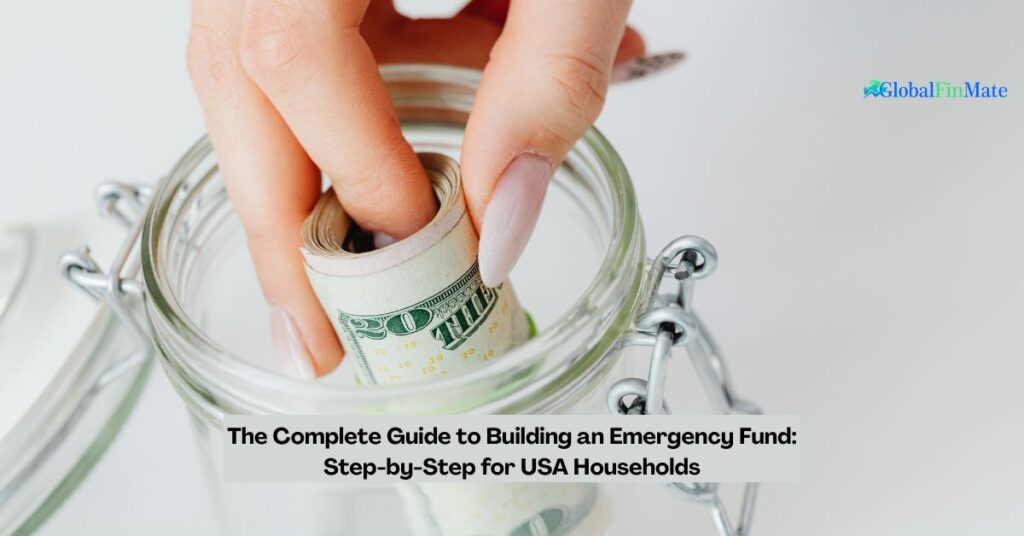
An emergency fund is a separate savings reserve dedicated strictly to handling unexpected financial situations. It is not meant for planned expenses like vacations, shopping, birthdays, or upgrades. Instead, it serves as a cushion that prevents you from falling into debt, relying on high-interest credit cards, or dipping into long-term investments when life surprises you.
For many families across the United States, an emergency fund acts as a safety shield against economic stress. Whether you’re living paycheck to paycheck or managing a comfortable income, having a financial buffer reduces anxiety, improves decision-making, and helps you stay prepared for anything.
Why Every USA Household Needs an Emergency Fund
Unexpected expenses are a normal part of life. A study published by the Federal Reserve found that more than one-third of Americans cannot cover a $400 emergency without borrowing, highlighting how vulnerable many households still are.
The reason emergency funds are essential goes far beyond having extra savings. They provide mental security and financial independence. Families with emergency savings make better financial choices because they do not act out of panic. They avoid predatory loans, excessive credit card interest, and long-term debt traps.
Emergency funds are also crucial in situations like sudden unemployment. Given today’s shifting job market, layoffs and income disruptions can happen even in stable industries. An emergency fund ensures your family can manage essential expenses without sacrificing dignity, safety, or future financial goals.
Determining How Much Money You Really Need
The amount needed in an emergency fund varies from household to household. However, the most common recommendation is three to six months of essential living expenses. For some families, particularly those with unstable income streams, saving up to nine or even twelve months is beneficial.
The best way to determine your personal goal is to calculate your essential monthly expenses. These include rent or mortgage payments, utilities, groceries, insurance premiums, childcare, transportation, medical needs, and necessary debt payments. Once this number is clear, multiply it by the number of months you want your safety net to cover.
Households with dependent children, elderly parents, or higher medical needs may want to build a slightly larger fund. Similarly, if your income fluctuates—such as gig workers, freelancers, or small business owners—your emergency fund should be more substantial to offset months of low or unreliable earnings.
Where to Keep Your Emergency Fund for Maximum Safety
Selecting the right place to store your emergency fund is just as important as saving for it. Since this money must be safe, accessible, and separate from daily-use accounts, certain options offer more advantages.
A high-yield savings accountis one of the most recommended places. These accounts typically offer significantly higher interest rates than regular savings accounts, meaning your fund grows passively over time. They are FDIC-insured, protecting your money up to $250,000.
A money market account is another safe choice. It offers slightly higher interest rates, check-writing features, and strong liquidity. However, some accounts may require a minimum balance.
Some households also consider short-term certificates of deposit (CDs). While CDs offer higher interest, they lock your money for a fixed period. If you need instant access, this might not be ideal unless you opt for a no-penalty CD.
The key is choosing a safe, low-risk option where your money remains accessible and untouched for non-emergency purposes. Avoid risky investments, crypto wallets, or fluctuating markets for emergency money, as the purpose is stability, not profit.
How to Start Saving Even If You’re Living Paycheck to Paycheck
Many Americans feel overwhelmed at the idea of saving, especially when monthly expenses already stretch the budget. However, even small steps lead to big results over time. The key is consistency.
Begin by setting a realistic starting goal. Instead of aiming for thousands of dollars immediately, start with a target like $100, then move to $500, and gradually build. Starting small builds momentum and motivation.
It helps to track your monthly spending to identify savings opportunities. Cancel unused subscriptions, cut down on non-essential purchases, and renegotiate bills. Even saving five or ten dollars every week makes a lasting difference when done consistently.
Automating your savings is another powerful strategy. Set up an automatic transfer from your checking account into your emergency fund every payday. When saving becomes automated, you avoid the temptation to skip contributions.
Side income also accelerates your progress. Freelancing, weekend gigs, part-time remote work, selling unused items, or monetizing simple skills can significantly increase the speed at which you build your fund. Every extra dollar counts.
Creating Step-by-Step Strategy for Building Your Fund
To create a functional emergency fund, you need a clear, structured plan. This helps you stay disciplined, track progress, and keep your financial goals in focus.
Start by determining your total savings goal. Once you know how much you need, break it down into monthly savings targets. Large numbers feel intimidating, but small monthly goals feel manageable and realistic.
Next, establish a fixed savings schedule that matches your pay cycle. This ensures your contributions remain consistent. Review your budget monthly to adjust contributions as income or expenses change.
Another important part of the strategy is protecting your fund from misuse. Create clear rules within your household about what qualifies as an emergency. Share the guidelines with family members to avoid draining the fund unnecessarily.
Celebrate every milestone. Reaching the first $100, the first $1,000, or the first full month of expenses saved is an achievement. These milestones help keep your motivation high through the long-term savings journey.
The Psychological Benefits of Having an Emergency Fund
Money-related stress affects mental health, daily decision-making, and family relationships. When households lack an emergency fund, financial fear becomes a constant companion. Unexpected expenses trigger anxiety, arguments, and feelings of helplessness.
On the other hand, having an emergency fund brings emotional peace. It gives families a sense of control, allows individuals to take risks like switching jobs or pursuing better opportunities, and reduces stress-related illnesses.
Financial security naturally improves confidence. People with emergency savings feel more optimistic about their future, knowing they can handle challenges without crisis-driven decisions. The emotional stability an emergency fund provides is often just as valuable as the money itself.
Using the Emergency Fund the Right Way
An emergency fund should be used wisely and only under genuine necessity. Understanding when to use it—and when not to—is essential for ensuring it lasts.
True emergencies usually fall into categories such as medical crises, essential home repairs, sudden job loss, unexpected travel for family emergencies, or major car issues. These are moments where the fund should serve its purpose.
On the contrary, non-emergencies include vacations, dining out, holiday shopping, new gadgets, lifestyle upgrades, or opportunities that aren’t urgent. Using your emergency fund for these purposes weakens your financial stability.
If you do use your emergency fund, make it a priority to rebuild it as quickly as possible. Return to your savings schedule and focus on restoring your safety net so it’s ready for future needs.
Common Mistakes People Make While Building an Emergency Fund
Many households start emergency funds with good intentions but often make avoidable mistakes. One of the biggest mistakes is mixing the fund with daily spending accounts. When the money is too easily accessible, it becomes tempting to use it for non-urgent needs. Always keep your emergency fund separate.
Another mistake is stopping contributions once the first milestone is reached. An emergency fund must grow steadily until it reaches your full target. Even then, it should be reviewed and adjusted as life circumstances change.
Some people rely entirely on credit cards instead of building savings. While credit cards may help temporarily, they add interest and financial pressure. An emergency fund is a far safer and cheaper alternative.
Avoid keeping your emergency money in cash at home. It is vulnerable to theft, loss, and inflation. A secure financial institution is always a better option.
Maintaining and Growing Your Emergency Fund Over Time
Once you achieve your savings goal, maintaining it becomes the next priority. Life changes—rent increases, family size grows, healthcare costs rise—so your emergency fund amount should also evolve.
Review your fund annually to ensure it still covers three to six months of essential expenses. Adjust contributions if your budget changes or if your income significantly increases.
As your financial situation improves, consider upgrading your savings vehicle to a higher-yield account. Even a small difference in interest rates can help your fund grow faster over time.
Another way to strengthen your emergency fund is by earmarking unexpected inflows such as tax refunds, bonuses, or cash gifts. Allocating part of these windfalls keeps your savings strong without pressuring your monthly budget.
How Emergency Fund Protects Your Long-Term Financial Goals
A strong emergency fund supports every other financial goal you set for your life. Whether you’re planning to buy a home, save for your children’s education, invest in real estate, or build retirement savings, a financial emergency can disrupt everything.
Without an emergency fund, families often withdraw money from long-term investments or retirement accounts. These withdrawals lead to penalties, lost growth potential, and delayed financial progress.
With a separate emergency fund, long-term investments remain untouched. This allows your savings, retirement accounts, and wealth-building strategies to grow steadily and sustainably. Essentially, your emergency fund becomes the foundation that protects all other financial goals.
Financial Discipline and Saving Habits That Strengthen Your Fund
Saving money consistently requires strong habits and discipline. The more intentional your financial behavior, the faster your emergency fund grows.
One effective habit is tracking your spending regularly. Understanding where your money goes helps you identify unnecessary purchases and redirect that money to your savings.
Another habit is paying yourself first. Treat your emergency fund contribution like a mandatory bill. When you prioritize saving before spending, you naturally build financial discipline.
Maintaining a minimal-debt lifestyle also helps you save more. The less money you spend on interest payments, the more money you can put toward your emergency fund and other savings goals.
How to Rebuild Emergency Fund After Using It
No matter how well you plan, there will be times when you must dip into your emergency fund. This is normal and expected. What matters is how quickly and effectively you rebuild it.
Begin by reevaluating your financial situation. Identify whether the emergency was a one-time event or something you should prepare more for in the future. Adjust your target amount accordingly.
Next, restart your savings schedule. Increase contribution amounts temporarily if possible, even if for a short period. Use tax refunds or bonuses to replenish the fund faster.
Avoid relying on credit cards or loans to rebuild your savings. Loans introduce more financial pressure, whereas consistent savings help rebuild your cushion sustainably.
How Families, Singles, and Retirees Can Customize Their Emergency Funds
Emergency fund needs differ across life stages. Families with children need larger funds due to higher medical, educational, and living costs. Singles may need smaller reserves but must consider healthcare and job security.
Retirees must approach emergency savings differently. Their expenses might be more predictable, but medical emergencies are often more frequent. Retirees should keep emergency money accessible but separate from investment accounts to avoid withdrawing at the wrong time.
Households with pets should also factor in veterinary emergencies, which can be expensive.
Ultimately, customizing your emergency fund ensures that it fits your lifestyle, responsibilities, and financial risks accurately.
The Role of Technology in Helping You Build Your Emergency Fund
Digital tools make saving money easier and more effective than ever. Financial apps help track spending, remind you of savings goals, and automate transfers. Many apps even round up your purchases and save the difference, helping you accumulate money passively.
Online banks offer better interest rates and user-friendly dashboards to monitor your savings progress. Budgeting tools allow households to visualize their financial habits and create realistic savings strategies.
These technologies simplify the process and make financial planning more engaging, especially for families who prefer modern tools over traditional spreadsheets.
How Rising Living Costs in USA Make an Emergency Fund Even More Important
The cost of living in the United States has increased significantly due to inflation, rent hikes, healthcare expenses, and rising grocery prices. With these changes, families cannot rely solely on income stability.
Emergencies cost more today than they did a few years ago. Medical bills, vehicle repairs, and home maintenance expenses have increased. This makes it even more essential to have a financial buffer.
An emergency fund protects households from the unpredictable nature of the economy. Whether the country faces a recession, job market shifts, or inflation spikes, your savings act as a shield against uncertainty.
Conclusion
Building an emergency fund is one of the smartest financial decisions any USA household can make. Whether you are just starting or rebuilding after a setback, every dollar saved strengthens your financial foundation. An emergency fund offers security, reduces stress, prevents debt, and supports long-term financial goals.
At GlobalFinMate, we believe that financial confidence begins with preparation. Your emergency fund is not just money—it is peace of mind. When life happens unexpectedly, you deserve to feel prepared, stable, and in control.
Start today, no matter how small the amount. Every step you take toward saving brings you closer to a secure and financially empowered future.
About The Author