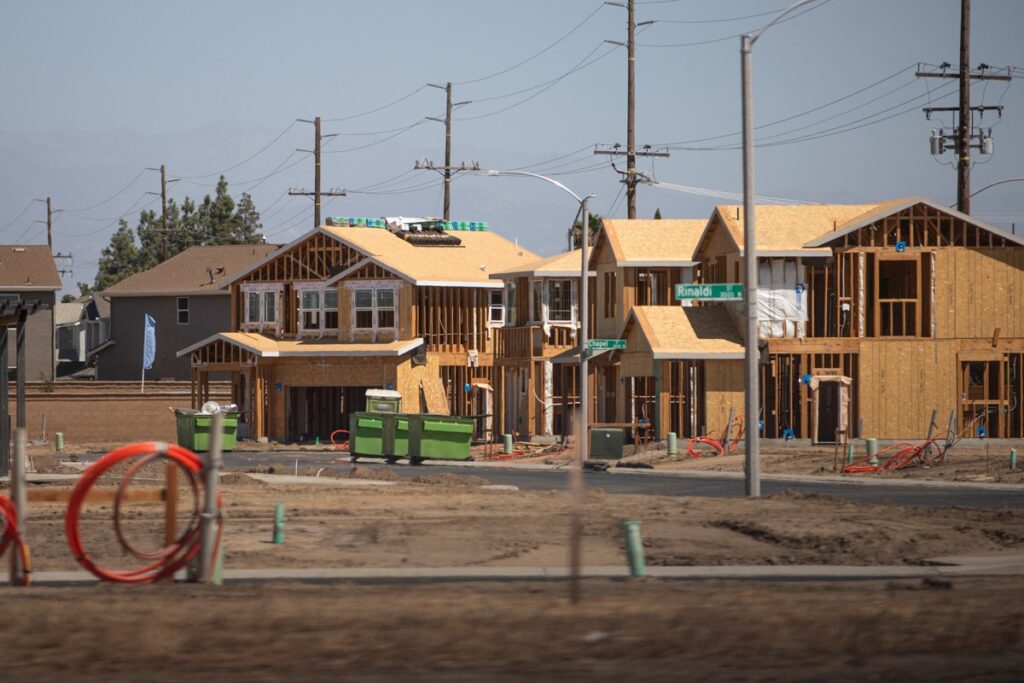
Builders’ Blueprint To Tackle US Housing Crisis: GlobalFinMate
For many Americans, the dream of homeownership is slipping further away. The ongoing housing crisis, driven by an undersupplied market and uncertain economic conditions, continues to strain families nationwide. Even though mortgage rates have dipped slightly and more homes have entered the market, these changes have not been enough to cool rising home prices, which remain close to the $400,000 mark. At GlobalFinMate, we recognize how this issue shapes both personal financial decisions and the broader economy.
Understanding the Imbalance: Why Supply Still Falls Short
The central challenge is clear: demand still outpaces supply. Post-pandemic lifestyle changes, a decade of underbuilding after the 2008 crash, and an aging housing stock have worsened the situation. As a result, competition for limited inventory remains intense, with bidding wars becoming routine.
Even though mortgage rates have eased from their highs, they remain elevated compared to the lows of the past decade. This keeps monthly payments high for a $400,000 home. Meanwhile, many homeowners are unwilling to give up the ultra-low rates they secured during the pandemic, tightening existing home inventory further. This pushes more homebuyers toward new construction, increasing pressure on builders.
Why $400,000 Is the New Normal
Several forces keep home prices elevated:
- Rates are lower than last year but still higher than historical lows
- Inventory remains extremely limited
- Many owners are “locked in” at low pandemic-era rates
- Construction costs—materials, labor, transportation—remain historically high
This combination keeps $400,000 as the new benchmark price in many markets.
The Builder’s Dilemma: Challenges Slowing Down New Housing
Builders are essential to increasing supply, but they face multiple hurdles:
High Land Prices
Developable land is scarce and expensive. Infill lots bring challenges such as demolition, remediation, or zoning restrictions.
Rising Material & Labor Costs
Prices for lumber, concrete, steel, and fixtures have surged. Skilled labor shortages push wages up and delay projects.
Regulatory Barriers
Permitting delays, zoning restrictions, and compliance costs slow down projects. According to groups like NAHB, these barriers add significant time and cost.
Infrastructure Limitations
New communities require roads, water lines, and utilities—expenses that often fall on the builder.
Financing Challenges
Higher interest rates raise the cost of construction loans and limit access for smaller builders.
Builders’ Blueprint: How the Industry Can Respond
To address the housing crisis, builders are adopting strategic solutions:
1. Embracing Innovative Building Methods
- Modular and prefabricated homes reduce construction time and waste
- Advanced materials like SIPs and ICFs improve efficiency
- Early-stage 3D printing shows promise for faster, lower-cost builds
2. Designing for Affordability
- Smaller, smarter floor plans reduce material and land requirements
- “Missing Middle” housing (duplexes, townhomes) provides affordable housing alternatives
- Build-to-rent neighborhoods support households not ready to buy
3. Streamlining Construction Processes
- Digital tools and BIM improve planning and reduce delays
- Builders and associations like NAHB push for reforms in zoning and permitting
- Faster approvals could significantly boost single-family home production
4. Strengthening the Workforce
- Trade programs and apprenticeships attract new workers
- Automation helps fill labor gaps and increases safety
5. Smarter Land Use & Partnerships
- Infill development uses existing infrastructure
- Public-private partnerships support affordable housing goals
6. Sustainable Construction Strategies
- Energy-efficient materials and designs lower long-term costs
- Eco-friendly materials improve durability and reduce waste
The Road Ahead: Rebuilding America’s Housing Supply
Solving the housing crisis requires collaboration across the industry. While builders face real challenges, innovation, regulatory reform, and strategic planning can gradually increase housing supply. Each step—each home built, each process improved—brings the market closer to stability.
At GlobalFinMate, we believe the construction industry’s adaptability and resilience will shape the future of housing. With the right blueprint, the nation can move toward a more affordable, accessible, and sustainable housing landscape.
FAQs
Why are home prices still high even though mortgage rates have dipped?
While mortgage rates have eased slightly, the supply-demand imbalance remains the primary driver of high prices. A decade of underbuilding and the “lock-in effect”—where homeowners refuse to sell because they want to keep their low pandemic-era interest rates—has kept inventory at record lows. With fewer homes available, competition remains fierce, keeping the benchmark price near $400,000.
What is the “Builder’s Dilemma”?
Builders are caught between the desperate need for more housing and the rising costs of creating it. Key hurdles include:
–High Land Costs: Scarce developable land and expensive zoning compliance.
–Input Inflation: Surging prices for lumber, concrete, and steel.
-Labor Shortages: A lack of skilled tradespeople increases wages and delays timelines.
-Regulatory Red Tape: Permitting delays and infrastructure requirements add significant “hidden” costs to every home built.
How can innovative building methods help lower costs?
The industry is moving toward “Smarter, Not Faster” construction through:
–Modular & Prefabricated Housing: Building sections in a factory reduces waste and weather-related delays.
-3D Printing: Early-stage 3D-printed homes show potential for significantly lower labor costs.
-Advanced Materials: Using Structural Insulated Panels (SIPs) and Insulated Concrete Forms (ICFs) improves energy efficiency and build speed.
What is “Missing Middle” housing?
“Missing Middle” refers to housing types that sit between single-family homes and large apartment complexes. This includes duplexes, townhomes, and courtyard apartments. These are often more affordable because they use land more efficiently and are less expensive to construct than detached houses.
What role does policy play in solving the crisis?
Builders and associations (like the NAHB) are pushing for regulatory reform. This includes faster permit approvals, updated zoning laws to allow for higher density, and public-private partnerships that provide incentives for building designated affordable housing.
How are builders addressing the labor shortage?
To combat the lack of skilled workers, the industry is focusing on:
–Trade Programs: Investing in apprenticeships and vocational training.
-Automation: Using technology on-site to handle repetitive or dangerous tasks, allowing smaller crews to be more productive.
Conclusion: US Housing Crisis
The ongoing housing crisis remains one of the most pressing challenges in the United States, driven by limited inventory, elevated home prices, and persistent construction costs. While the road to a more balanced market is complex, the combined efforts of builders, policymakers, and industry leaders offer a real path forward. By embracing innovation, advocating for smarter regulations, and prioritizing affordable housing, builders can play a transformative role in reshaping the future of American homeownership.
As mortgage rates stabilize and new solutions gain traction, there is hope for a more accessible market where more families can finally achieve the dream of owning a home. At GlobalFinMate, we remain committed to analyzing these developments and highlighting strategies that can help rebuild confidence—and supply—in the nation’s housing market.
About The Author