Different Types of Car Insurance Coverage?
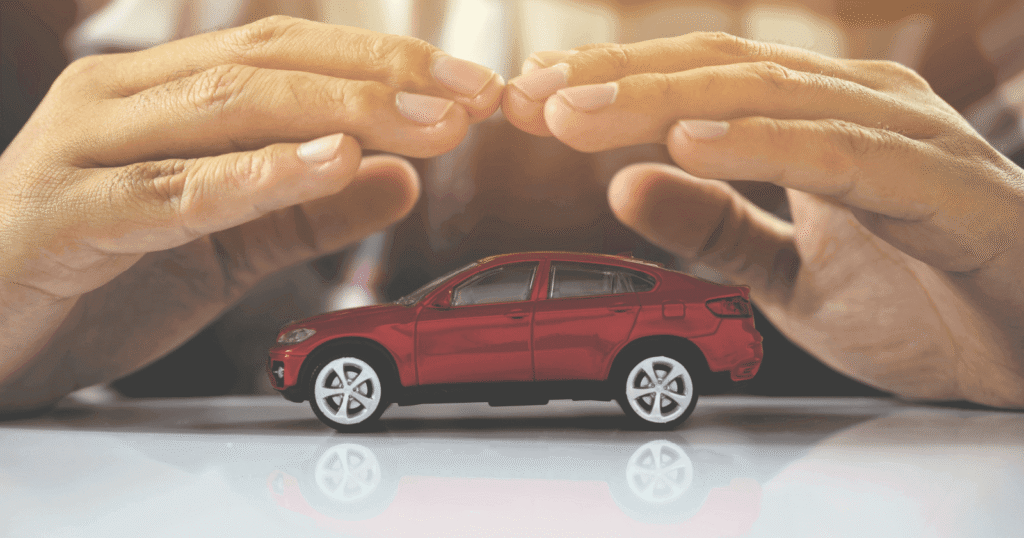
Driving offers freedom and convenience, but it also comes with responsibilities, especially when it comes to protecting yourself, your vehicle, and others on the road. Car insurance isn’t just a legal requirement in most places; it’s a financial safeguard against the unpredictable. With a myriad of coverage options available, understanding what each type entails can feel overwhelming. At GlobalFinMate, we believe an informed decision is the best decision. This comprehensive guide will break down the most common car insurance coverage types, explaining how they work and why they’re crucial for every driver.
1. Liability Coverage: Protecting Others
Liability insurance is the foundation of almost every car insurance policy and is mandatory in nearly all U.S. states. It’s designed to cover damages you cause to other people and their property in an at-fault accident. It doesn’t cover your own injuries or vehicle damage.
- Bodily Injury Liability (BI): This coverage pays for medical expenses, lost wages, pain and suffering, and legal fees for anyone injured in an accident where you are at fault. For example, if you cause a fender bender that sends the other driver to the hospital, your bodily injury liability would cover their medical bills up to your policy limits.
- Property Damage Liability (PD): This part of your liability coverage pays for damage you cause to another person’s property in an at-fault accident. This includes damage to their vehicle, fence, mailbox, or even a building. If you accidentally back into someone’s parked car and dent it, your property damage liability would cover the repair costs.
You’ll typically see liability limits expressed as three numbers, such as 25/50/25. This means $25,000 for bodily injury per person, $50,000 for total bodily injury per accident, and $25,000 for property damage per accident. While state minimums exist, GlobalFinMate often recommends higher liability limits to adequately protect your assets in case of a serious accident, as you could be personally liable for costs exceeding your policy limits.
2. Collision Coverage: Protecting Your Own Vehicle in an Accident
Unlike liability coverage, collision coverage is designed to pay for the damage to your own vehicle resulting from a collision with another car or object, regardless of who is at fault. This includes hitting another car, a tree, a pole, or even rolling over. If your car is financed or leased, your lender will almost certainly require you to carry collision coverage.
When you file a collision claim, you’ll typically pay a deductible, which is the amount you agree to pay out-of-pocket before your insurance kicks in. Common deductibles range from $250 to $1,000. Choosing a higher deductible can lower your premium, but means you’ll pay more if you need to make a claim.
3. Comprehensive Coverage: Protecting Against Non-Collision Events
Comprehensive coverage protects your vehicle from damages not caused by a collision. It’s often paired with collision coverage and is also frequently required by lenders for financed or leased vehicles. This coverage is essential for a wide range of unfortunate events:
- Theft
- Vandalism
- Fires
- Falling objects (e.g., tree branches)
- Natural disasters (e.g., floods, hurricanes, hail, windstorms)
- Damage from hitting an animal (e.g., deer)
Like collision coverage, comprehensive coverage also typically comes with a deductible. For instance, if your car is stolen or damaged by hail, your comprehensive coverage would pay for the repairs or replacement (minus your deductible).
4. Uninsured/Underinsured Motorist (UM/UIM) Coverage: Protecting You from Others
Despite laws requiring insurance, many drivers are on the road without adequate coverage. Uninsured/Underinsured Motorist (UM/UIM) coverage protects you and your passengers if you’re involved in an accident with a driver who has no insurance (uninsured) or not enough insurance to cover your damages (underinsured).
- Uninsured Motorist Bodily Injury (UMBI): Covers medical expenses for you and your passengers if an uninsured driver injures you.
- Underinsured Motorist Bodily Injury (UIMBI): Kicks in when the at-fault driver’s liability limits aren’t enough to cover your injuries.
- Uninsured Motorist Property Damage (UMPD): Covers damage to your vehicle if an uninsured driver causes an accident. (Note: UMPD is not available in all states or may have specific restrictions).
This coverage is a crucial safeguard, as relying solely on the at-fault driver’s non-existent or insufficient insurance can leave you with substantial out-of-pocket costs.
5. Medical Payments (MedPay) / Personal Injury Protection (PIP): Covering Medical Expenses
These coverages pay for medical expenses for you and your passengers, regardless of who is at fault for the accident. While similar, they have some key differences:
- Medical Payments (MedPay): This coverage typically pays for reasonable and necessary medical and funeral expenses for you and your passengers resulting from a car accident. It can supplement your health insurance by covering deductibles or co-pays, or act as primary coverage if you don’t have health insurance.
- Personal Injury Protection (PIP): PIP is more expansive than MedPay and is typically found in “no-fault” states. In addition to medical expenses for you and your passengers, PIP can also cover lost wages, rehabilitation services, and even essential services you can’t perform due to your injuries (like child care or house cleaning).
The availability and specifics of MedPay and PIP vary significantly by state, so it’s important to understand the requirements and options where you live.
6. Optional & Additional Coverages: Enhancing Your Protection
Beyond the core coverages, several optional add-ons can provide extra peace of mind:
- Gap Insurance: If your car is totaled or stolen, gap insurance pays the difference between your car’s actual cash value (what your standard insurance would pay) and the amount you still owe on your loan or lease. It’s particularly valuable for new cars that depreciate quickly.
- Rental Car Reimbursement: This coverage pays for a rental car while your vehicle is being repaired after a covered accident.
- Roadside Assistance: Provides help for common issues like flat tires, dead batteries, lockouts, or towing services.
- New Car Replacement: For qualifying new vehicles, this coverage replaces your totaled car with a brand new one of the same make and model, rather than just paying out its depreciated actual cash value.
Choosing the Right Coverage for You
Selecting the right combination of car insurance coverages depends on several factors:
- State Requirements: Always meet your state’s minimum liability requirements.
- Vehicle Value: If you have an older car with low market value, you might consider dropping collision and comprehensive to save on premiums, as the cost of coverage might outweigh the potential payout. For newer or expensive vehicles, these coverages are highly recommended.
- Financial Situation & Assets: If you have significant assets, opting for higher liability limits is crucial to protect them from potential lawsuits.
- Driving Habits: Consider how much you drive, where you drive, and your comfort level with risk.
- Budget: Balance your need for protection with what you can afford in premiums and deductibles.
Regularly review your policy with a trusted advisor from GlobalFinMate to ensure your coverage still meets your evolving needs and financial situation. As your life changes, so too should your insurance.
FAQs
What is the difference between Collision and Comprehensive coverage?
While both protect your own vehicle, the cause of damage is the deciding factor. Collision coverage pays for damage resulting from an impact—such as hitting another car, a guardrail, or a tree. Comprehensive coverage protects against “acts of nature” or events out of your control, including theft, vandalism, fire, hail, or hitting an animal.
If I have a high net worth, should I stick to the state-mandated liability minimums?
Generally, no. State minimums are often quite low (e.g., $25,000) and may not cover the full cost of a serious multi-car accident or major medical bills. If you are at fault and the damages exceed your policy limits, your personal assets—like your home or savings—could be targeted to cover the remaining balance. Increasing your limits provides a necessary buffer for your financial security.
Do I need car insurance if I don’t own a car but drive occasionally?
If you frequently rent cars or borrow vehicles from friends, you might consider Non-Owner Car Insurance. This provides liability coverage (bodily injury and property damage) when you are driving a vehicle you do not own. It ensures you have protection regardless of the owner’s policy limits.
What is a deductible, and how does it affect my premium?
A deductible is the amount you pay out-of-pocket before your insurance provider covers a claim.
1. Higher Deductible: Usually results in a lower monthly premium, but more cost for you during an accident.
2. Lower Deductible: Results in a higher monthly premium, but less financial strain when filing a claim.
Does my car insurance cover me if I use my vehicle for ridesharing (like Uber or Lyft)?
Standard personal auto policies typically exclude coverage for commercial use. If you are driving for a rideshare service, you usually need a Rideshare Insurance endorsement or a commercial policy to ensure you are protected during the periods when the rideshare app is on but you haven’t yet accepted a passenger.
Conclusion: Types of Car Insurance Coverage
Car insurance is more than just a legal formality; it’s a critical financial tool designed to protect you from the unexpected costs associated with driving. By understanding the differences between liability, collision, comprehensive, UM/UIM, MedPay/PIP, and various optional coverages, you can make informed decisions that safeguard your finances and provide peace of mind on the road. Don’t wait for an accident to discover gaps in your coverage. Explore your options with GlobalFinMate and drive confidently, knowing you’re well-protected.
About The Author