Automatic Bill Payment Plans Guide
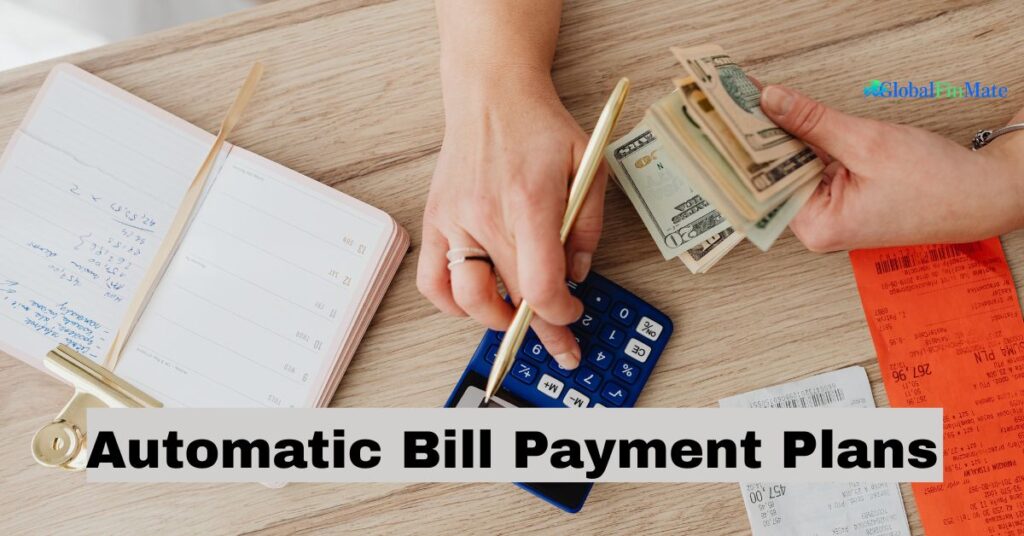
Many people constantly search for ways to reduce the time spent on routine tasks, and online banking has made this significantly easier. One of the most convenient features it offers is automatic bill payment, which allows users to schedule payments for various expenses without manual intervention. Today, a wide range of service providers—including utility companies, subscription platforms, and household service vendors—offer automated payment options.
With an automatic payment system, the amount due is charged to a credit card or deducted from a bank account on a fixed date each month. This ensures that payments are completed on time, reducing the risk of missed deadlines or late fees. From phone bills and streaming services to EMIs and insurance premiums, most recurring expenses can now be handled automatically.
This system simplifies financial management and offers peace of mind, as payments are processed reliably each month. However, while automatic payments provide notable benefits, there are also certain limitations to consider. Before enrolling in such plans, it is important to evaluate both the advantages and potential drawbacks to determine whether this approach aligns with your financial habits and lifestyle.
Advantages of Automatic Payment Plans
Automatic payment systems have become increasingly popular due to the wide range of benefits and conveniences they provide. Some of the major advantages include:
1. Convenience and Time-Saving
Setting bills to be paid automatically reduces the need to manually track due dates or make individual payments each month. Once the setup is complete, the bank or credit card provider manages the transaction on schedule, ensuring bills are consistently paid without additional effort.
2. Opportunity to Earn Rewards
Many users link their recurring bills to a rewards-based credit card. When monthly payments are charged to a card that offers travel points, cashback, or loyalty rewards, the accumulated spending can translate into valuable benefits. This allows households to make the most of routine expenses.
3. Reduced Environmental Impact
Automatic payments help minimize paper usage by eliminating physical bills, checks, and envelopes. This not only reduces waste but also decreases the carbon footprint associated with postal delivery. The shift to digital payments supports a more eco-friendly lifestyle.
4. Supports a Healthy Credit Score
On-time payments play an important role in maintaining or improving a credit score. With automated billing, the chances of missing a due date or making a late payment significantly decrease. Regular, timely payments signal financial reliability to credit scoring agencies and can contribute to a stronger credit profile.
5. Lower Risk of Identity Theft
By avoiding mailed bills and physical payments that include sensitive information, the risk of identity theft is reduced. Online payment platforms generally use advanced encryption and security measures, offering greater protection than traditional mailboxes or handwritten checks.
6. Cost Savings
Automatic payments also help cut down on small but recurring costs such as checkbooks, postage stamps, envelopes, and fuel for trips to the post office. Over time, these savings add up and make financial management more efficient and economical.
Disadvantages of Automatic Payment Plans
While automatic payment systems offer several benefits, they may not be ideal for every individual or financial situation. Below are some common drawbacks to consider before opting in:
1. Additional Fees
Some service providers may charge extra fees for using automatic payment options. Although automated bill processing reduces administrative costs for the company, certain vendors still apply unnecessary service charges. In such cases, traditional payment methods might be more cost-effective.
2. Difficulty Keeping Track of Payments
With payments occurring automatically, it can be easy to lose track of what is being paid and when. This lack of oversight may lead to unnoticed errors, duplicate charges, or billing discrepancies. Regular monitoring of account statements is essential to ensure every transaction is accurate.
3. Risk of Overdraft Fees
For those who use a checking account to fund automatic payments, insufficient balance can lead to overdraft charges. These fees can accumulate quickly, making financial management more stressful. Automated billing works best when there is a consistent cash flow or when fixed expenses are separated from variable ones.
4. Challenges in Cancelling or Updating Payments
Setting up automatic billing is usually simple, but cancelling or modifying these arrangements can be more complicated. Some providers require written requests or communication with both the bank and the merchant. Additionally, updating payment information—such as when a card is replaced—demands close attention to avoid missed payments during the transition.
5. Increased Credit Card Balances
When automatic payments are linked to a credit card, it becomes easier for balances to grow if the full amount is not paid each month. Accumulating charges without regular repayment can lead to debt that becomes difficult to manage. It is important to review monthly totals and pay the full balance whenever possible to stay financially stable.
Conclusion: Automatic Bill Payment Plans
Automatic payment plans have transformed the way individuals manage recurring expenses by offering a hassle-free, reliable, and time-saving solution. From improving payment consistency to reducing environmental impact, the benefits are substantial. However, like any financial tool, automated payments also come with potential challenges—such as the risk of overdraft fees, difficulty tracking transactions, or complications when updating payment information.
Before enrolling in an automatic billing system, it is essential to assess your financial habits, monthly cash flow, and comfort level with digital payments. By weighing both the advantages and disadvantages, users can determine whether automatic payment plans align with their financial goals and lifestyle. When used responsibly, they can streamline bill management, enhance convenience, and contribute to overall financial organization.
About The Author